
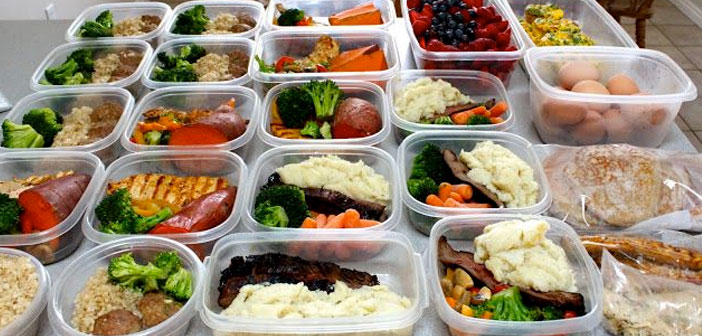
You already know that you have to eat several times during the day, so why do so many people leave their meal planning to the very last-minute and wonder why they can never consistently follow a healthy nutrient dense diet?
Below are my top three nutrition tips that anyone can start implementing right away. Turning old habits into new ones take a little bit of time but be patient and determined because these healthy behaviors will benefit you greatly in the long run.
Tip #1. Cook Your Meals in Advance and Keep Everything Simple
Preparing your meals in advance ensures that you won’t be tempted to take a detour into a fast food restaurant to get a quick calorie busting fix when hunger hits. If you want to have a gourmet meal for dinner every night, you may be setting yourself up for disappointment since these types of meals usually take a much longer prep time to complete. Make sure to plan ahead by cooking your meals every other day which will provide you with enough food for the next several days. If you are really busy, keep Sundays and Wednesdays as your main meal prep days. I normally eat breakfast at home unless I am doing morning cardio and I don’t have time to return home right away.

Suggestions
Keep your breakfast (meal 1) very basic with foods such as oatmeal, yogurt, eggs, cottage cheese and whole wheat toast with almond butter or organic peanut butter. You can also use low-fat powdered peanut butter like PBfit and PB2 which are both very low in calories and fat but taste amazing! Choose foods that have a clean carbohydrate and a lean protein source. Healthy fats will also be included in your macronutrient breakdown.
Sample Meal:
- Carbohydrate – Oatmeal (1 cup)
- Protein – Egg whites (1/3 cup)
- Fat – Two full eggs (fat comes from the yokes)
Your following meals should be spaced every 2.5 to 3 hours apart. Choose from foods such as chicken, turkey, fish (salmon, tuna, snapper, orange roughy, tilapia, swordfish, halibut) and brown rice, quinoa, whole wheat pasta, whole wheat bread, sweet potatoes, yams, avocados, flaxseed oil and almonds. Also remember your fibrous vegetables like broccoli, asparagus, spinach, green beans, Brussels sprouts, peppers and cucumbers.
Many of my suggestions consist of foods that are low on the glycemic index (GI) which is the ranking of carbohydrates in foods according to how they affect blood glucose levels. There are many other healthy food choices not listed such as raisins, peas, corns, carrots and white potatoes but just make sure you are not carbohydrate sensitive before including these specific foods in your diet.

For meals 2, 3 and 4, I will plan ahead the night before by cooking a large amount of chicken breast in the oven. Simply add some PAM cooking spray onto a baking pan, lay out your chicken and then sprinkle any seasonings or spices that you enjoy. Adding different spices will be your best friend when it comes to making your meals delicious and enjoyable. While my chicken is in the oven, I will cook a large amount of rice or sweet potatoes and also steam some green beans or broccoli.
Sample Meal:
- Carbohydrate – ½ cup of brown rice and 1 cup of green beans
- Protein – 1 ½ chicken breasts
- Fat – flaxseed oil
If I am preparing for a show or a photoshoot and need to be really lean, I will leave the complex carbs out and feast on a massive salad with grilled chicken or fish, fibrous carbohydrates (veggies) and a delicious vinaigrette dressing made with balsamic vinegar, flaxseed oil, lemon juice and a sprinkle of Stevia (natural sweetener). I will also add additional seasoning to it as well.
#2. Divide Your Meals into Specific Portion Sizes
Get yourself several plastic containers (Tupperware, etc) that are the correct size for your meals so you can easily take them on-the-go with you. If you are not sure what a portion size looks like, remember this:
- 1 oz. meat = size of a matchbox
- 3 oz. meat = size of a deck of cards or the palm of your hand
- 8 oz. meat = size of a thin paperback book
- 3 oz. fish = size of a checkbook
- 1 oz. cheese = size of 4 dice
- Medium potato = size of a computer mouse
- 2 Tbs. peanut butter = size of a ping pong ball
- 1 cup pasta = size of a tennis ball
- Average bagel = size of a hockey puck.

Having your meals prepared ahead of time and stored in a cooler will greatly increase your chances of achieving your overall health and fitness goals. Look at professional fitness competitors and see what they do. Whether they are male or female and competing in fitness, bodybuilding or figure contests, all of them will plan their meals in advance. This is one of the keys to reaching success in the physique game!
If you aren’t hungry three hours after your last meal then you may have consumed too many calories. Just try making your portion sizes a little smaller and adjust accordingly throughout the day.
#3. Always Have a Bottle of Water With You
Water is absolutely crucial not only for your general health, but especially for your success when trying to get into the best shape of your life. Here are some interesting facts about water:
- Blood is 83% water
- Muscles are 75% water
- The brain is 74% water
- Bone is 22% water
It may feel like a hassle in the beginning, but having water with you will make a major difference in your life. Water is a necessity. Your body needs water to digest and absorb vitamins and nutrients. Water also detoxifies the liver and kidneys while carrying away waste from the body and it also makes digestion possible. Fiber alone cannot aid proper digestive function.
Feeling dehydrated? You may be and not even know it. Without water your blood is literally thicker and your body has to work much harder to have adequate circulation. As a result, your brain becomes less active and it may be difficult to concentrate. Your body may also feel very fatigued and sluggish during the day. Focus on drinking a gallon of water every day as a goal. Before you know it you will start to crave and love your water bottle! Add a few lemons and sweeten it up with some Stevia if you don’t enjoy the taste of plain water.

This is About You!
Are you worried that people are going to make jokes or look at you weird if you bring your own food to work or that you can’t have lunch with the rest of your co-workers? Remember the reasons why you’re planning your meals ahead and need to stay disciplined on your nutrition plan. If your friends and work associates joke and have an issue about how you are eating then they certainly have some issues of their own.
Mark it down on your calendar and make a note of when you started preparing your meals. It usually takes about 2 months to ingrain new habits, so stick with it for 6 weeks and be focused. By creating healthy meals in advance and sticking to your nutrition program for a few months, you will notice that not only are your clothes fitting looser but you’re also saving lots of valuable time and money since you’re not going out to eat at costly restaurants any longer.
The different types of food that you include in your meal preparation are very important to your success. The following are great sources of lean proteins, clean starchy carbohydrates, fibrous vegetables and healthy fats.
Protein
The richest sources of protein are animal foods such as chicken, meat, fish, cheese and eggs. However, plant proteins are also a healthy choice due to their lower fat content. Other non-meat sources of protein include whole grains, rice, corn, beans, legumes, oatmeal, peas and peanut butter. For vegetarians, vegans and/or for those who do not eat meat, fish, eggs or dairy products, it is important to eat a variety of these other foods in order to get enough protein in your diet. Protein supplements are a fast and efficient way to obtain your protein needs during the day. However, when you have access to real foods, always choose them for their nutritional value over nutritional supplements.

Complex Carbohydrates
These foods include vegetables, fruits, rice, pasta, potatoes, grains (brown rice, oats, wheat, barley, corn), and legumes (chick peas, black-eyed peas, lentils, as well as lima, kidney, pinto, soy, and black beans). These foods are very beneficial because they provide lots of key vitamins, minerals, fiber, protein and fat.
Simple Carbohydrates
These include everything from table sugar, corn syrup, soda, candy and alcohol to healthier sources like fruit sugar (fructose), molasses and honey. These former foods are higher in “empty” calories and offer very little nutritional value. If you’re trying to get as lean and ripped as possible, it’s always best to limit your intake of simple sugars since they can wreak havoc on your insulin levels.
Healthy Fats
Healthy vegetable oils include olive, coconut, macadamia nut, canola, soy oil, flax and Udo’s oil. Nuts, olives, seeds and avocados are great sources of monounsaturated fat. All natural peanut butter is also an excellent source of healthy fats. If you’re trying to add additional calories to your diet, try adding a few handfuls of nuts to each meal or 2-3 tablespoons of peanut butter to your protein smoothie to quickly increase the caloric content of your meals.
By incorporating healthy foods into your meal preparation you will be well on your way to setting yourself up for success by having quick and nutritious ready-to-eat meals available throughout the day. This is one of the best things you can do to reach your ultimate fitness and physique goals!


1 Comment
The diet plan mentioned in this article will definitely work for bodybuilding.